
Evening Therapy in the UK: Typed Support Runs 6am to 11pm
Discover how to navigate NHS and private therapy options to secure flexible evening or weekend appointments while managing wait times and specialist requirements.

Clinically reviewed by
Dr Martina Paglia
Founder & CEO of Mind a Porter
HCPC-registered Clinical Psychologist
Special interests include anxiety, depression, trauma, OCD, burnout, workplace stress, relationship difficulties and high-performance mental wellbeing.
Last reviewed: 18 October 2026
All health information on Mind a Porter is clinically reviewed by our clinical lead. These resources are educational and do not replace professional advice.
Evening therapy is widely available, and some weekend sessions exist too, across NHS talking-therapy services, private clinicians and online providers. Hours vary by provider and format. Insisting on a weekly evening-only slot can lengthen your wait, while digital therapy can offer appointments outside typical clinic hours. Knowing which route fits your schedule can make the search more manageable.
TL;DR:
- NHS evening hours vary by postcode; one service offers assessments within one to two weeks, but treatment can take several weeks or around six months.
- Offering two or three workable evenings, plus openness to video or different days, can widen the pool; insisting on one exact slot may lengthen waits.
- NHS Grampian’s typed CBT runs from 6 AM to 11 PM daily, with 45 or 60 minute sessions typically offered within three weeks after referral acceptance.
- When language or specialist matching is essential, online sessions can expand your search beyond local services, but evening only availability may still narrow the pool and extend waits.
- One private therapist lists £70 per hour with reduced fee options, but that single listing is not a reliable guide to typical UK prices.
Table of Contents
- Where can you find evening and weekend therapy sessions?
- How is evening availability organised in practice?
- What steps help you secure an evening slot?
- What do waits and costs look like in each route?
- Why are online and typed therapy often the best evening option?
- Does evening therapy availability differ between central London and the outskirts?
- How does therapist specialism affect evening availability?
- Does language and cultural matching limit your evening options?
- What I have learned from arranging evening therapy
- How can we help you find an evening appointment?
- FAQ
- Sources
Where can you find evening and weekend therapy sessions?
Three routes cover most needs, and each works differently.
- NHS local talking therapies: Newham Talking Therapies offers evening appointments from 5pm to 8pm Monday to Thursday, alongside some 8am weekday slots, within a mainly daytime service. South West London and St George's can offer appointments until 8pm Monday to Thursday, with partner organisations providing a limited number of weekend sessions.
- Private therapists: Many list weekday evenings and the occasional weekend slot. A BACP directory profile shows one practitioner with weekday appointments up to about 7pm or 8pm and some weekend availability. That is one person's timetable, not a national average, so fees and hours differ from therapist to therapist.
- Online and digital therapy: Typed CBT and video sessions can stretch well beyond clinic hours. NHS Grampian's typed therapy service runs from 6am to 11pm, seven days a week.
To explore different options, you could try the digital option and a private clinician at the same time as your local NHS referral. You can always drop the others once one of them works.
How is evening availability organised in practice?
An advertised "evening appointment" does not always mean a regular weekly slot waiting for you. Services usually separate the initial assessment from ongoing treatment, and the two can have very different timelines. Newham Talking Therapies aims to offer an initial assessment within two weeks of referral, though treatment may involve a further wait.
What this means in practice:
- An assessment and ongoing treatment can have different evening availability.
- Services may reserve evenings for particular clinicians, formats or pathways, so check who is actually taking new evening clients.
- The phrase "evening appointments available" describes the service, not a free slot for you this week.
- Published contact hours do not always match the hours therapy sessions run.
Ask two direct questions: "What is the latest session you offer?" and "Are evening slots open to new clients right now?" A therapist whose profile says "evenings" may finish at 6pm, which does not help if you leave work at 6.30pm.
Pro Tip: Ask for the last session time in writing, by email or message, before you agree to a start date.
What steps help you secure an evening slot?
A short, ordered routine gets you a real answer faster than browsing alone.
- Check the service website for its published hours and note which days list evenings.
- Call or message to ask whether new clients can book evening slots now, not only existing ones.
- Ask whether evenings are reserved for certain therapies, clinicians or pathways.
- Ask to join a cancellation list, and say which evenings you can take at short notice.
- Offer flexibility where you can: a different day, a video session, or an assessment-first start.
- Keep a short log of who you spoke to, what times they promised and when you will chase.
Flexibility is the lever that matters most. Lambeth Talking Therapies states that clients flexible on days, times and formats often experience shorter waits, while insisting on one exact evening narrows the pool. Naming two or three workable evenings, and being open to online treatment, gives the booking team more to work with.
What do waits and costs look like in each route?
Expect different trade-offs between speed, price and choice.
- NHS: Contact is often quick, but treatment waits vary and an evening-only restriction can add to them. South West London and St George's says its assessment is booked within 1 to 2 weeks, while treatment can begin within a few weeks or take up to around six months depending on the type.
- Private: Fees vary by clinician and location. Some therapists offer evenings, so compare fees and ask about concessions before you commit. The BACP example above lists a fee of £70 per hour with some reduced-fee options, which is one practitioner's price rather than a market rate.
- Digital: Typed and digital CBT services can offer appointments outside typical clinic hours, which may make them an evening option to consider.
Lambeth's listing, dated January 2021, shows around four months for counselling and about four and a half months for CBT, against 1 to 2 weeks for online therapy after assessment. Waits change over time, so treat it as an illustration of the gap and ask any service for its current figures.
Why are online and typed therapy often the best evening option?
Digital formats take the clinic out of the equation. A therapist does not need to sit in a building late at night for you to be seen, and you save the commute. NHS Grampian describes typed CBT sessions held in a secure online chat room, lasting 45 or 60 minutes, and offered typically within three weeks once a referral is accepted.
Before you book an evening online session, check these points:
- Can you speak, or type, confidentially at home at that hour?
- Do your device, headphones and connection support the platform?
- How long does each session last, and what software does it need?
- Is there a plan if the connection drops mid-session?
Evening online therapy still needs a private, reliable setting, and housemates or thin walls matter more than most people expect.
Pro Tip: Test your connection and camera a day before your first evening session, not ten minutes before.
Does evening therapy availability differ between central London and the outskirts?
Availability varies by location. Check local services and private practices directly to find out what evening slots they offer.
NHS provision is also postcode-bound. One service may list Saturday opening while another offers weekday evenings only. South Tyneside and Sunderland's service lists hours of 9am to 8.30pm Monday to Thursday and 9am to 5pm on Friday and Saturday, which shows that some local services include Saturday access while others do not. Always check the service attached to your own postcode, and confirm whether published contact hours are the same as therapy-session hours.

If local evening slots are scarce, online sessions may let you consider therapists based further away without travelling. A therapist based across the city can see you from their own home or office while you sit in yours, which also means you are not tied to a clinic near your commute.
How does therapist specialism affect evening availability?
Specialism narrows the field, and evening hours narrow it again. Availability may depend on the type of support you want. If you are looking for a specialist, ask whether they offer evening appointments and have slots open to new clients.
Practical ways to handle this:
- Decide what matters more: a precise specialism or a fixed evening. You may need to bend on one of them.
- Ask specialists whether they keep any evening hours for new clients, or whether a waiting list opens at certain times.
- Consider an assessment-first approach with a specialist, then arrange ongoing sessions at a time that works.
- If your needs are broad, such as stress, low mood or relationship worries, a general therapist with evening hours may help you start sooner.
Our directory of therapists lets you filter by specialism and availability together, which helps you see quickly where the two overlap. For condition-specific support, such as financial anxiety therapy, you can check which matched therapists have evening times before you book.
Does language and cultural matching limit your evening options?
It can. Every extra requirement, whether a language other than English, a shared cultural background or lived experience of a particular community, reduces the number of therapists you can choose from. Add an evening-only constraint and the pool shrinks again, so waits can lengthen.

Language matters because therapy depends on being able to express feelings precisely. Many people find it easier to describe emotions in the language they grew up with, and cultural familiarity can reduce the need to explain context before you can start working on the problem itself. These are good reasons to prioritise a match, and worth the extra effort to find one.
To keep the search workable:
- Say which language and cultural considerations are essential and which are preferable.
- Offer a wider range of evening times if you are asking for a narrower type of therapist.
- Use online sessions, which let you reach therapists beyond your local area who share your language.
- Ask at the start whether a therapist's evening slots are open to new clients in your language.
We match clients by language, culture, specialism and availability, so you can set these filters together instead of searching one at a time.
What I have learned from arranging evening therapy
Evening availability can be affected by staff rotas and demand. That is why flexibility helps. Offering more than one workable evening, or accepting a video session, may make it easier to find an available slot.
If evenings are non-negotiable, you could consider a private clinician or a digital platform. These options may involve a fee or differ from the continuity of a local service, so ask about availability and how ongoing sessions are arranged. A discovery call or an assessment-first approach can help clarify what ongoing appointment times are possible before you commit to a pathway.
How can we help you find an evening appointment?
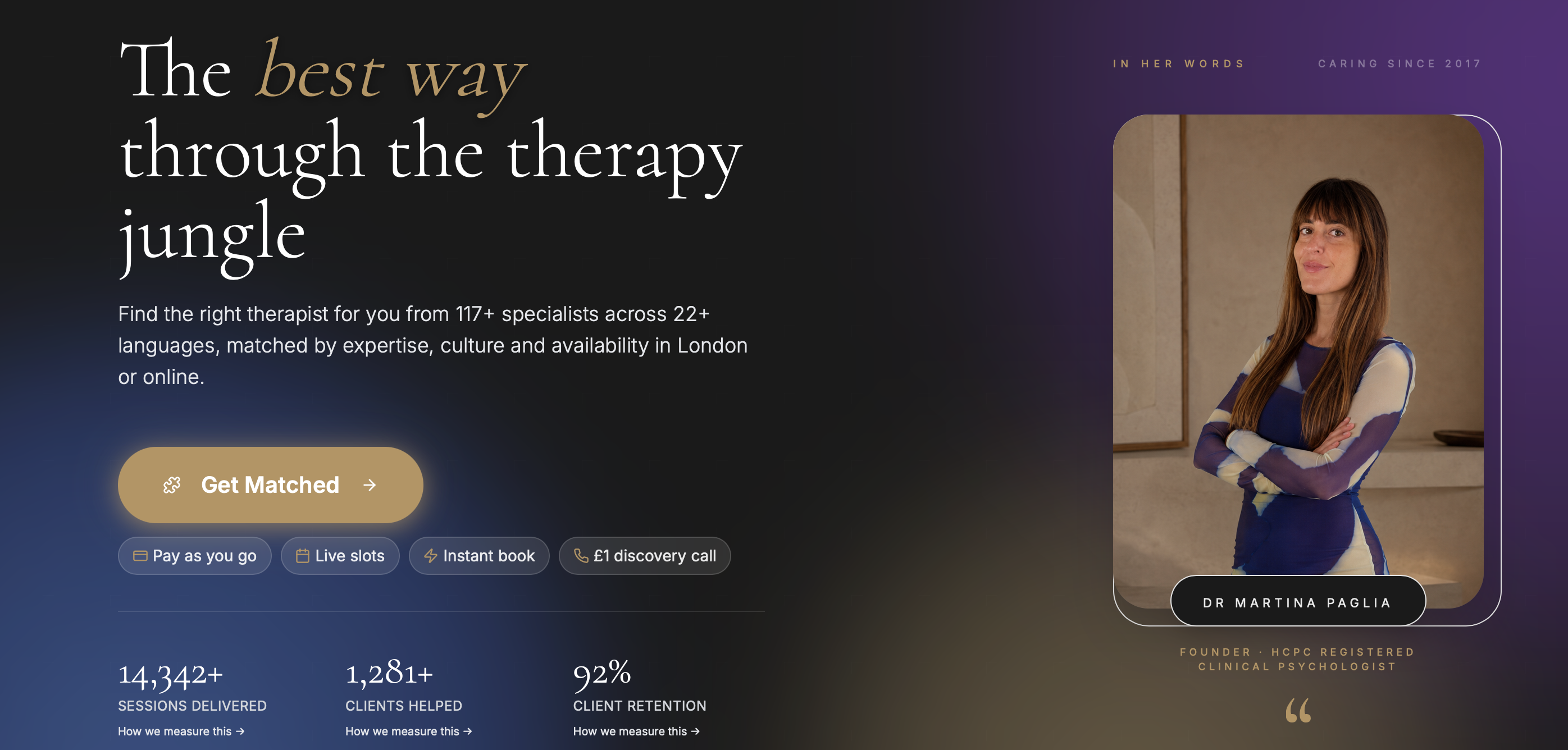
If you want to skip the back and forth, we can help you check evening and weekend times. We match you to therapists by availability, specialism and language, and many of our therapists offer a discovery call to check fit and timings before you commit.
- Use our platform to filter therapists by availability.
- Book a £1 discovery call where offered and ask for the therapist's last session time.
- Confirm your session times in writing before your first appointment.
- Explore our online therapy page to learn about online therapy.
Start with a discovery call to find out whether the times work for you.
This article is general information, not a substitute for advice from a qualified doctor. Consult a qualified healthcare professional about your own circumstances before acting on anything here.
FAQ
How long is the waitlist for an NHS therapist?
It depends on your area and the type of treatment. A first assessment is often arranged within one to two weeks, but treatment waits can range from a few weeks to several months. Lambeth's listing, dated January 2021, showed around four months for counselling, so ask your local service for its current waits.
What is a red flag in therapy?
A red flag is anything that makes you feel unsafe or disrespected, such as a therapist who breaches confidentiality, dismisses your concerns or pressures you into decisions. Vague answers about qualifications or professional registration also warrant caution. You can leave or change therapist at any time.
Is CBT better than counselling?
Neither is better for everyone. CBT is structured and focuses on current thoughts and behaviours, while counselling is usually more open and led by what you bring. The right choice depends on your difficulty and preferences, and a discovery call can help you decide.
How much is an hour of therapy in the UK?
Private fees vary by therapist, location and experience. One BACP directory example lists £70 per hour with some reduced-fee options, but that is one practitioner's price, not a market average. Ask for fees and concessions before you book.
Sources
- Elft
- Refer yourself - Lambeth Talking Therapies
- Wellbeing Hub > Digital Therapies > Typed Therapy – GO Health Services
- Stgeorges
Recommended
Professional Support
Find the Right Therapy
Explore specialist treatment options related to this article.
Keep Reading
Related Articles

Grief Counselling Options in the UK: How to Choose
Navigate the UK's bereavement support landscape by comparing costs, accessibility, and types of care to find the right therapeutic path for your specific needs.

EMDR vs Prolonged Exposure in the UK: NICE Recommends Both
Discover the key differences between EMDR and prolonged exposure therapy to help you decide which evidence-based PTSD treatment best aligns with your recovery needs.

CFT vs CBT in the UK: Choose by Shame, Symptoms, and Evidence
Discover whether CBT's symptom-focused approach or CFT's shame-reduction techniques better align with your specific mental health needs and personal goals.