
Betrayal trauma therapy: how it helps you heal and stabilise
Discover how a paced therapeutic approach prioritizes nervous system regulation and stability before addressing the deeper wounds of betrayal trauma.

Clinically reviewed by
Dr Martina Paglia
Founder & CEO of Mind a Porter
HCPC-registered Clinical Psychologist
Special interests include anxiety, depression, trauma, OCD, burnout, workplace stress, relationship difficulties and high-performance mental wellbeing.
Last reviewed: 22 September 2026
Betrayal trauma therapy stabilises your nervous system first, contains the flood of retraumatising detail, and only then paces you through processing what happened. That order matters more than most people realise. Skipping straight to “working things out” with a partner, or trying to make sense of everything at once, tends to backfire.
In the first weeks, a good clinician focuses on a narrow set of goals: calming your nervous system, protecting your sleep, giving you tools to manage intrusive thoughts, and helping you set boundaries around contact with the person who betrayed you. Processing the full story comes later, once you’re steady enough to do it without falling apart.
-
Regulate the nervous system (grounding, breathing, reducing hypervigilance)
-
Rebuild basic stability: sleep, eating, routine
-
Manage intrusive thoughts and flashbacks without suppressing them
-
Set boundaries around contact, disclosure, and decision-making
If you’re having thoughts of suicide, feel unsafe, or are dealing with an assault that’s just happened, don’t wait for a routine appointment.
If there’s an immediate risk to your life or safety, call 999 or go to A&E. For support after sexual assault, contact a sexual assault referral centre (SARC), where you can access crisis care and forensic support whether or not you choose to report to police.
Key Takeaways
Betrayal trauma therapy works because it stabilises the nervous system before processing the betrayal itself, using paced disclosure and evidence-based modalities like EMDR and trauma-focused CBT.
| Point | Details |
|---|---|
| Stabilisation comes first | Sleep, grounding, and boundary work happen before deep processing of the betrayal. |
| Betrayal blindness explains delay | Dependency on the betrayer can unconsciously suppress recognition of the harm. |
| EMDR and CBT lead the evidence | Both target intrusive thoughts and distorted beliefs common after betrayal. |
| Couples therapy waits | Individual regulation usually needs to happen before joint sessions begin safely. |
| Fast, matched access matters | Mind a Porter connects you to betrayal-informed therapists with no waiting list, across 22+ languages and both CBT and EMDR. |
Table of Contents
-
Which Therapy Approaches Actually Help With Betrayal Trauma?
-
How Do You Choose A Therapist Who Understands Betrayal Trauma?
-
Where Can You Actually Access Therapy, And What Does It Cost?
-
What Should You Expect From Session To Session, And How Long Does Recovery Take?
What Is Betrayal Trauma and Why Does It Hit So Hard?
Betrayal trauma occurs when someone you depend on for safety, love, or survival harms you, whether through infidelity, deception, abuse, or institutional failure. It differs from ordinary relationship pain because the harm comes from the very person or system you relied on to keep you safe. That combination of dependency and violation is what makes it traumatic rather than simply upsetting.
Psychologist Jennifer Freyd coined the term “betrayal blindness” to describe how people unconsciously fail to notice or respond to betrayal when the betrayer is someone they need. Your brain, in effect, protects the relationship at the expense of protecting you. Freyd’s Betrayal Trauma Theory explains why so many people describe not seeing the signs, or minimising them for months or years, even when looking back the evidence seems obvious.
Neurologically, betrayal activates the same threat circuitry as physical danger. Your amygdala flags the person as unsafe, but your attachment system simultaneously flags them as necessary. That contradiction produces the hallmark symptoms of betrayal trauma: hypervigilance (scanning for more evidence of danger), dissociation (mentally checking out because the situation is unbearable to stay present for), and confusion about your own memory or perception of events. If it helps to picture it, imagine two alarm systems in your brain firing in opposite directions at once. One says “run”, the other says “stay close, you need them”. That tug of war, not weakness or overreaction, is what produces the exhaustion many people describe.
Pro Tip: When you first speak to a therapist or a trusted friend, try a short script like: “I think I’m reacting to a betrayal, not just an argument. I feel on edge all the time, I can’t stop replaying it, and I don’t trust my own read on the situation.” That framing helps a clinician recognise trauma symptoms quickly rather than treating it as a standard relationship issue.
Betrayal trauma shares significant overlap with post-traumatic stress symptoms, which is one reason trauma-informed clinical guides recommend the same safety-first sequencing used for other trauma types, rather than jumping straight into talking through the relationship.
How Does Betrayal Trauma Show Up Day To Day?
Betrayal trauma rarely stays contained to how you feel about the person who hurt you. It tends to spill into sleep, concentration, parenting, and how safe you feel in your own body.
Common symptoms include:
-
Intrusive thoughts and images that replay the discovery or the betrayal itself
-
Nightmares or disrupted sleep
-
Hypervigilance, constantly checking phones, locations, or stories for inconsistencies
-
Emotional numbing or feeling disconnected from people you love
-
Sudden rage that feels disproportionate to the trigger
-
Self-blame, even when you know rationally you didn’t cause the harm
-
A shaken sense of identity, questioning your judgement, your past decisions, or who you are
A typical picture might look like this: someone discovers a partner’s affair and within weeks finds they can’t concentrate at work, snap at their children over small things, and lie awake rehearsing confrontations that never happened. They know their reaction feels extreme, but they can’t switch it off. That pattern, functional disruption across work, parenting, and rest, is one of the clearest markers that this has moved from distress into trauma territory.
Some reactions need urgent attention rather than a wait-and-see approach: thoughts of self-harm or suicide, ongoing danger from another person, or dissociation severe enough that you lose time or can’t function safely.
If any of that applies to you, contact your GP, NHS 111, or a crisis line straight away rather than waiting for a scheduled therapy appointment.
What Kinds Of Betrayal Cause This Kind Of Trauma?
Betrayal trauma isn’t limited to romantic infidelity, though that’s the most commonly discussed cause. Several distinct situations tend to produce the same stabilisation-first clinical response.
-
Infidelity and deception: affairs, secret financial deceit, or sustained lying about a double life
-
Emotional affairs: no physical contact, but a hidden emotional bond that breaches trust just as deeply
-
Institutional betrayal: an organisation, employer, or authority failing to protect someone it had a duty to protect
-
Childhood or familial betrayal: abuse or neglect by a caregiver, where the betrayer was also the primary attachment figure
Triggers often attach themselves to sensory details rather than obvious reminders: a specific song, a hotel smell, a text notification sound, or the date of an anniversary. Many people find triggers intensify around anniversaries of discovery, even years later.
When betrayal happens repeatedly, whether through a pattern of affairs or ongoing institutional failures, the impact compounds. Each new instance doesn’t just add to the last; it can reset trust-building from zero and deepen hypervigilance, which is why therapists often ask about history, not just the most recent event.
How Do You Start Recovering From Betrayal Trauma?
Clinicians working with betrayal trauma tend to follow a consistent sequence: safety, then regulation, then clarification, then paced processing. Skipping ahead to processing before you’re stable usually backfires, retriggering the same threat responses you’re trying to calm.
-
Protect your sleep first. Trauma responses intensify dramatically with sleep deprivation, so a consistent wind-down routine, even an imperfect one, is a genuine clinical priority, not a throwaway suggestion.
-
Learn one grounding technique and use it daily, not just during a crisis, so it becomes automatic when you need it.
-
Limit exposure to retraumatising detail. Constantly checking phones, social media, or demanding a blow-by-blow account of the betrayal keeps your nervous system in threat mode.
-
Document facts without ruminating. Write down what you know to be true once, so you’re not relying on memory under stress, then set the document aside rather than revisiting it repeatedly.
-
Rebuild small routines, meals, walks, sleep times, that give your body predictability while everything else feels chaotic.
A simple grounding exercise worth trying right now: breathe in for four counts, hold for four, breathe out for six. Repeat five times while naming five things you can see, four you can hear, and three you can physically feel. It sounds almost too basic to work, but slowing the exhale specifically signals safety to your nervous system.
Pro Tip: If you’re the person who caused the betrayal and you’re desperate to explain everything at once, resist that urge. Clinicians working from a betrayal-informed model generally recommend titrating disclosure, sharing information in planned, time-bound stages, because dumping every detail at once tends to retraumatise rather than reassure the injured partner.
Which Therapy Approaches Actually Help With Betrayal Trauma?
Several evidence-informed modalities address betrayal trauma, and most clinicians draw on more than one depending on where you are in recovery.
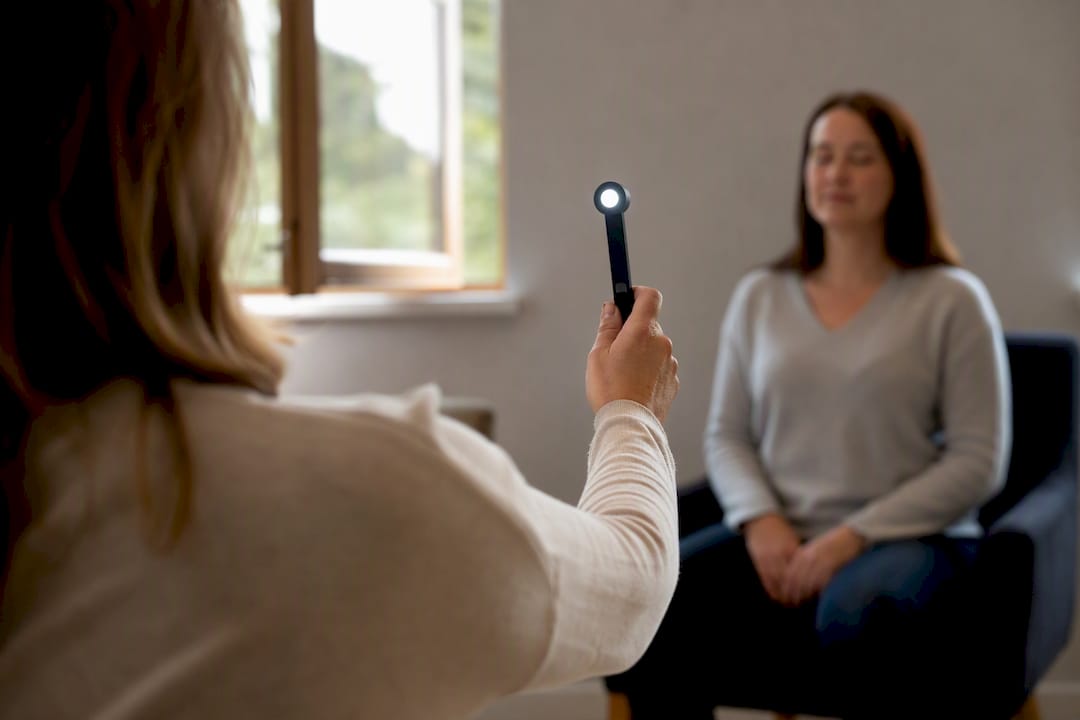
EMDR (Eye Movement Desensitization and Reprocessing) uses guided eye movements or other bilateral stimulation while you briefly focus on the traumatic memory, helping your brain reprocess it so it stops firing the same alarm response. It’s widely used for PTSD-type symptoms and tends to work well once you’ve achieved a baseline of stability.
Trauma-focused CBT helps you identify and challenge the distorted beliefs betrayal often produces, “I should have known”, “I can never trust my judgement again”, while building practical coping skills for intrusive thoughts and anxiety.
Somatic approaches, including somatic experiencing, work directly with how trauma lodges in the body, addressing chronic tension, a racing heart, or a persistent feeling of being on alert, rather than only working through thoughts and narrative.

Internal Family Systems (IFS) treats the mind as made up of different “parts”, the part that’s furious, the part that still wants to trust, the part that blames itself, and helps you understand and integrate them rather than being ruled by whichever part is loudest that day.
Trauma-informed individual therapy underpins all of the above: a clinician trained to recognise trauma responses, avoid re-traumatising you through poor pacing, and build safety into every session structure.
Couples therapy has a place, but usually later. Clinical guidance from the Psychotherapy Networker is direct on this point: many couples rush into joint sessions immediately after discovery, hoping to “fix things” together. However, this often destabilises the injured partner further because their individual trauma hasn’t been contained yet. The common clinical rule is that individual stabilisation comes first; couples work follows once the injured partner has enough regulation to participate without being retraumatised in the room.
Peer-reviewed research on trauma treatment approaches continues to inform how clinicians sequence and select these modalities for PTSD-type presentations, including those stemming from betrayal.
A quick pros and cons view:
-
EMDR: fast for some people, doesn’t require detailed verbal retelling, but needs specific therapist training
-
Trauma-focused CBT: structured and skills-based, works well alongside other approaches, but can feel slow if you want quick relief
-
Somatic work: addresses physical symptoms directly, useful if talk therapy alone hasn’t shifted your anxiety, but can feel unfamiliar if you’re used to purely verbal therapy
-
Couples therapy: valuable once stabilisation has happened, but risky as a first step post-discovery
How Do You Choose A Therapist Who Understands Betrayal Trauma?
Not every therapist has genuine experience with betrayal trauma, so a short screening call before committing is worth the effort.
Look for:
-
Accredited training in EMDR or CBT, ideally with additional trauma-specific certification
-
UK professional registration (BACP, UKCP, HCPC, or equivalent)
-
Specific experience treating betrayal trauma, not just general relationship counselling
In your first call, ask directly: “How much experience do you have with betrayal trauma specifically?”, “What’s your approach to disclosure and pacing?”, and “Do you have a plan for if I feel unsafe between sessions?”
Watch for red flags: a therapist who pushes straight into couples sessions, minimises the injury (“these things happen in every relationship”), or has no safety plan for crisis moments between appointments.
Pro Tip: Copy this into an email before a discovery call: “I’m looking for a therapist with experience in betrayal trauma. Can you tell me about your training in EMDR/CBT, your approach to pacing disclosure, and what support looks like between sessions?” It filters out mismatched clinicians in one message.
Where Can You Actually Access Therapy, And What Does It Cost?
NHS talking therapies are free, but waiting lists vary widely by area and can stretch to several months for trauma-specific care. Private therapy costs more, but usually starts within days, and gives you direct choice over a clinician’s specialism. Charity services and sexual assault referral centres (SARCs) offer free, specialist support, particularly after sexual violence, though capacity depends on your local service.
If your betrayal trauma stems from sexual assault, SARCs provide crisis care, forensic examinations if you want one, and referral into ongoing support, and you can access this whether or not you choose to involve the police. Rape Crisis centres deliver specialist, trauma-informed counselling that’s often more effective for this kind of harm than generalist services, and much of it is free or low-cost.
Online therapy has closed much of the accessibility gap. It suits trauma work well for many people, removing travel time and letting you access a specialist regardless of where they’re physically based, though some prefer in-person sessions for the added sense of containment.
-
NHS talking therapies: free, but often a multi-week or multi-month wait
-
Private therapy: typically faster access, cost varies by clinician and modality
-
Charity and SARC services: free or subsidised, strong specialism in sexual trauma
-
Online matching services: fast access, wide choice of specialists and languages
This is where a platform like Mind a Porter changes the equation. Rather than searching individually through directories or sitting on an NHS waiting list, Mind a Porter matches you to a betrayal-informed clinician from over 88 qualified therapists, with no waiting list and options across more than 22 languages.
What Should You Expect From Session To Session, And How Long Does Recovery Take?
Early sessions usually focus on safety and symptom reduction: building coping skills, reducing intrusive thoughts, and stabilising sleep, rather than analysing the relationship in depth.
Recovery timelines vary enormously depending on the severity of betrayal, your support system, and whether other trauma is layered underneath. As a rough guide:
-
Stabilisation: typically the first weeks of therapy, focused on regulation and safety
-
Processing: can take months, working through the traumatic material at a pace you can tolerate
-
Integration: ongoing, rebuilding trust in yourself and, where relevant, in relationships
Watch for genuine progress markers rather than a fixed calendar: fewer intrusive thoughts, sleep that’s improving even slightly, and a clearer sense of your own boundaries. Recovery isn’t linear, and setbacks around anniversaries or new triggers are normal, not a sign that therapy has failed.
What Coping Skills And Safety Steps Can You Use Right Now?
While you’re waiting for or between therapy sessions, a few concrete steps help:
-
Ground yourself using the 5-4-3-2-1 technique (five things you see, four you hear, three you feel, two you smell, one you taste).
-
Practise paced breathing, four counts in, six counts out, several times a day, not just in moments of panic.
-
Limit stimulus exposure: set specific times to check messages or information related to the betrayal, rather than constantly.
-
Build a simple safety plan: who you’ll call if things escalate, where you can go if you need to leave immediately, and what steps you’ll take if contact with the person who betrayed you becomes unsafe.
If you’re in immediate danger, call 999. For support after sexual violence, Rape Crisis and SurvivorsUK both offer specialist helplines, and NHS SARCs provide crisis and forensic support regardless of whether you report to police.
What Do Clinicians Get Right About Sequencing Disclosure?
The clearest insight from betrayal-informed clinical practice is that stabilisation has to come before truth-telling, and truth-telling has to be measured rather than total. Clinicians working in this model often use time-bound disclosure plans, where the betraying partner shares information in stages agreed in advance, rather than an unstructured confession.
Some also use a coordinator role: a therapist who manages the pacing of disclosure between two people’s individual therapists, so nobody is blindsided.
Pro Tip: If disclosure is part of your situation, ask your therapist whether they use a structured, staged disclosure plan. It’s a fair question to raise in your very first session.
What I’ve Learned About What Good Therapists Do Differently
The clinicians who get this right don’t rush. They don’t push couples into joint sessions in week one, and they don’t treat your hypervigilance as an overreaction. What strikes me most, looking across this field, is how often good practice comes down to patience with sequencing rather than any single clever technique.
If you’re reading this today, the smallest useful step is rarely a big one. Book a discovery call, write down the facts of what happened while your memory is clear, and protect your sleep tonight. Those three things, done consistently, do more for stabilisation than almost anything else in the first fortnight.
How Mind a Porter Gets You To The Right Therapist Faster
Finding a therapist who genuinely understands betrayal trauma usually means weeks of searching directories, checking credentials yourself, and hoping for a good match. Mind a Porter removes that guesswork by matching you directly to a betrayal-informed clinician from its network of qualified therapists, filtered by specialism, language, and availability, with no waiting list standing between you and your first session.
The platform supports over 22 languages and offers multiple modalities, including CBT and EMDR, both discussed above as central tools for processing betrayal trauma. Sessions are available online or in person across London and UK-wide, and insurance payment options are accepted where applicable. Mind a Porter reports a high client satisfaction rate across thousands of sessions delivered, reflecting how much careful matching matters when the topic is this sensitive.
If you’re ready to speak to someone who specialises in betrayal trauma, you can book a discovery call with Mind a Porter today and start with a therapist matched to your specific situation, rather than a generalist working through your issue for the first time.
Frequently Asked Questions
What is betrayal trauma therapy? Betrayal trauma therapy is a stabilisation-first clinical approach that regulates your nervous system, contains retraumatising detail, and paces you through processing harm caused by someone you depended on, using modalities like EMDR and trauma-focused CBT.
How is betrayal trauma different from grief or ordinary heartbreak? Betrayal trauma involves harm from someone you relied on for safety, which activates threat responses alongside attachment needs, producing PTSD-like symptoms rather than straightforward sadness.
Can EMDR help with betrayal trauma specifically? Yes. EMDR is widely used for PTSD-type symptoms, including intrusive thoughts and hypervigilance stemming from betrayal, and tends to work best once basic stabilisation has been achieved.
Should couples go to therapy together right after discovering betrayal? Usually not immediately. Clinical guidance suggests individual stabilisation for the injured partner should come first, since joint sessions too early can retraumatise before regulation is in place.
How long does it take to recover from betrayal trauma? Recovery varies widely; stabilisation often takes weeks, processing can take months, and integration continues afterwards. Progress shows in fewer intrusive thoughts, better sleep, and clearer boundaries rather than a fixed timeline.
Where can I get help quickly if I can’t wait for an NHS appointment? Private therapy and platforms like Mind a Porter offer faster access than typical NHS waiting times, while SARCs and Rape Crisis centres provide free specialist support for sexual violence-related trauma.
This article is general information, not a substitute for advice from a qualified doctor. Consult a qualified healthcare professional about your own circumstances before acting on anything here.
Sources
Professional Support
Find the Right Therapy
Explore specialist treatment options related to this article.
Couples Therapy
Rebuild communication, trust, and connection with expert support.
Learn moreRelationship Counselling
Support for communication problems, trust issues, and recurring conflict.
Learn moreEmotionally Focused Therapy
Evidence-based couples therapy for distress and attachment injuries.
Learn moreKeep Reading
Related Articles

Six to 12 Months to Rebuild Trust: UK Couples Therapy for Infidelity
Discover the essential phases of infidelity recovery, proven therapeutic methods, and the practical steps to finding the right UK specialist for your healing journey.

How to choose a therapist who is right for you
Learn how to find the ideal therapist by prioritizing personal rapport and using discovery calls to ensure the right fit for your mental health goals.

Questions to Ask When Choosing a Therapist
A practical guide to the questions that matter when choosing a therapist — qualifications, approach, style, practicalities, the therapeutic relationship, and what to listen for beyond the answers — with a quick-reference summary.