
Couples therapy costs in England: £20–£120, £1 discovery
Navigate the costs of couples therapy in England with this guide to pricing tiers, affordable options, and practical strategies for budgeting your sessions effectively.

Clinically reviewed by
Dr Martina Paglia
Founder & CEO of Mind a Porter
HCPC-registered Clinical Psychologist
Special interests include anxiety, depression, trauma, OCD, burnout, workplace stress, relationship difficulties and high-performance mental wellbeing.
Last reviewed: 29 September 2026
Couples therapy in England typically costs between £50 and £120 per session privately, with low-fee clinics charging £20 to £50 and specialist practitioners charging £120 or more. Sessions usually run 50 to 90 minutes. Before committing to private fees, check whether NHS Talking Therapies or a local charity can offer a lower-cost or free route, since your total spend depends heavily on how many sessions you need.
TL;DR:
- Private couples therapy in England costs between £20 and over £120 per session, depending on expertise, location, and session length.
- NHS couples therapy is limited to specific cases like depression and often involves a referral, assessment, and sessions lasting 60 to 90 minutes.
- Cost-saving options include low-fee clinics, charity services, NHS pathways, sliding-scale fees, and online therapy, which is typically cheaper than in-person options.
- Booking a brief discovery call at around £1 helps determine therapist fit before committing to a full course of therapy.
- Longer, more entrenched issues usually require six to twelve sessions, costing between approximately £480 and £2,400 at typical rates.
Table of Contents
- Average cost ranges in England and what they imply for budgeting
- Key factors that influence how much a session costs
- NHS, charity and low-fee routes in England and how to access them
- Practical ways to pay and reduce cost
- Session format, typical course length and how total costs add up
- How to choose a couples therapist: checklist and fee questions to ask before booking
- Mind a Porter: how the platform supports quick access, matching and a range of price points
- Clinician perspective: when to start, what value to expect and short practical advice
- Ready to book: a practical next step with Mind a Porter
- Sources
- FAQ
Average cost ranges in England and what they imply for budgeting
Private couples counselling in England falls into three broad price bands. Low-fee services, often run by trainee therapists or charitable organisations, tend to charge £20 to £50 a session. Most qualified private therapists charge between £50 and £120, and highly experienced specialists, particularly those offering approaches like Emotionally Focused Therapy or EMDR, can charge £120 or more per session.
Online-only sessions are often priced lower than clinic-based appointments, since therapists save on room hire and travel time. That saving is worth factoring in if location flexibility is not a priority for you.
- Low-fee and charity-linked services: £20 to £50 per session
- Typical private practice: £50 to £120 per session
- Specialist or highly experienced practitioners: £120 and above
Typical private couples session costs in England vary, with many sessions priced near the mid-range of market levels reported across UK therapy directories and practice listings. That figure is a useful midpoint for budgeting a course of six to twelve sessions before you start contacting therapists.
Key factors that influence how much a session costs
Price differences between therapists rarely come down to guesswork. Several factors consistently explain why one practitioner charges more than another.
- Accredited membership with bodies such as the BACP or UKCP usually reflects additional training and supervision, and often means higher fees.
- Specialist training in couples-specific approaches, including Behavioural Couples Therapy or EMDR, can command a premium over generalist counselling.
- Session length varies, and some therapists charge per couple while others charge a rate closer to two individual sessions.
- Location matters: London-based clinics with premises overheads tend to charge more than rural or fully online practices.
- Package pricing (a block of sessions paid upfront) sometimes works out cheaper per session than pay-as-you-go booking.
Pro Tip: Ask each therapist whether their quoted fee is per couple or per person; the same headline price can mean very different totals depending on the answer.
NHS, charity and low-fee routes in England and how to access them
General relationship counselling is rarely available routinely on the NHS. However, a specific evidence-based programme called couples therapy for depression exists through NHS Talking Therapies when one partner is experiencing depression and the relationship is part of the picture. Access usually follows a set path.
- Self-refer or ask your GP to refer you to your local NHS Talking Therapies service.
- Attend an assessment to establish whether the couples-focused pathway, rather than individual therapy, is appropriate.
- Some NHS trusts describe sessions as lasting 60 to 90 minutes and running once or twice a month over several months, though referral processes and formats vary by trust.
- If you are not eligible or want to explore relationship support more broadly, the NHS service search lists organisations including Citizen's Advice for practical and financial guidance.
- Charities such as Relate offer low-fee counselling, often funded partly through donations, though waiting times can be longer than private options.
Practical ways to pay and reduce cost
Cost need not be fixed once you start looking. Several tactics can bring the price of couples therapy down without compromising quality.
- Ask directly about sliding-scale fees; most therapists who offer them will want to know your household income or financial circumstances before agreeing a rate.
- Check with your private health insurer which therapists they recognise, which modalities are covered, and whether there is a session limit before you book.
- A discovery call or a short, focused block of sessions can establish fit before you commit to a longer, costlier course.
- Group workshops for couples, where available, spread the therapist's time across several couples and often cost less per person than one-to-one work.
Pro Tip: Agree a trial period, such as four sessions, with your therapist and set a review point to decide together whether to continue.
Session format, typical course length and how total costs add up
Most private sessions run 50 to 90 minutes, similar to NHS formats. A short six-session block at a typical £80 rate comes to £480. A longer 12 to 20 session course, more common for entrenched difficulties, ranges from roughly £960 to £2,400 at the same rate. Build in a checkpoint every four to six sessions to review whether the work is helping before committing further.

How to choose a couples therapist: checklist and fee questions to ask before booking
Choosing well matters as much as budgeting well. Before booking, ask the following.
- What is your fee per session, and is it per couple or per person?
- What is your cancellation policy, and how much notice do you require?
- How often would you recommend we meet, and for roughly how many sessions?
- Will you see both of us together in every session, or sometimes separately?
- Are you accredited with a recognised body such as the BACP or UKCP, and do you have specific training in couples work?
Check practical fit too: language, cultural background, and whether online or face-to-face suits you better. Be wary of therapists who are vague about fees, push you toward long commitments before you have met them, or cannot describe how progress will be measured.
Mind a Porter: how the platform supports quick access, matching and a range of price points
There are platforms that connect couples with qualified therapists, filtering by specialism, language and availability to assist in the search.
- Matching considers specialism, language and cultural fit, with a no-waiting-list approach designed for immediate connections.
- Some platforms offer discovery calls at a low cost to help test fit before booking full sessions.
- Therapists may work across various modalities, including CBT and EMDR, offering services online and in-person.
As with any therapist you contact, confirm accreditation and current fees directly before booking, since these are set by individual practitioners rather than the platform.
Clinician perspective: when to start, what value to expect and short practical advice
Couples therapy rarely fixes everything in one sitting, and that is a realistic expectation, not a shortcoming. Start with a single session or discovery call and budget a short trial block before deciding whether to continue. If cost is the barrier, a charity route or NHS pathway is worth exploring first.
Ready to book: a practical next step with Mind a Porter
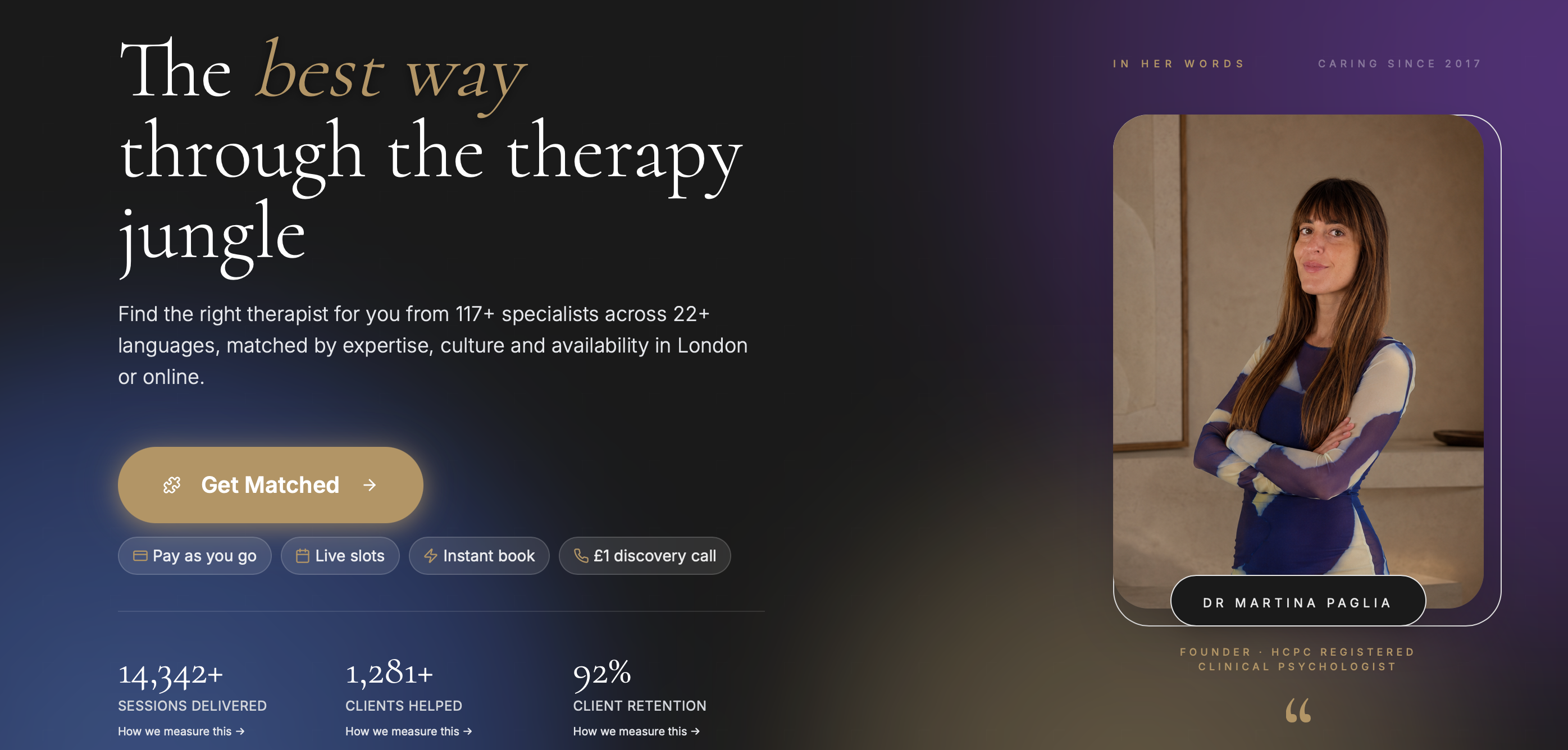
A discovery call costs £1 with most therapists on Mind a Porter, which keeps the cost of first contact low while you work out whether the fit is right before booking a full session.
- View available services, including couples counselling, online therapy and family therapy.
- Check each therapist's accreditation and current fees before your first paid session.
- Compare cancellation terms and session formats across a few therapists before committing.
| Step | What to do |
|---|---|
| First contact | Book a £1 discovery call to test fit |
| Booking | Choose online or London-based couples counselling on Mind a Porter |
| Ongoing | Review progress every four to six sessions |
Sources
For referral routes and eligibility, see the Camden and Islington guidance on BCT and the HEE couple therapy curriculum.
This article is general information, not a substitute for advice from a qualified doctor. Consult a qualified healthcare professional about your own circumstances before acting on anything here.
- Couples therapy – Rotherham Doncaster and South Humber NHS Foundation Trust (RDaSH)
FAQ
Does the NHS offer couples therapy?
The NHS does not routinely offer general relationship counselling, but it does offer couples therapy for depression through Talking Therapies when depression is affecting the relationship. Access is usually through GP referral or self-referral followed by an assessment.
Can you get free couples counselling in the UK?
Free or low-fee counselling is available through charities and some NHS Talking Therapies programmes, though eligibility and waiting times vary. The NHS service search and local Citizen's Advice offices are good starting points for finding these routes.
Is couples therapy actually worth it?
Value depends on realistic expectations: NHS guidance frames therapy as a space to improve communication or make informed decisions, rather than a guaranteed fix for a relationship. Starting with a short trial block or discovery call is a practical way to judge value before committing to a longer course.
Does the NHS pay for counselling?
The NHS funds specific evidence-based programmes, such as couples therapy for depression, rather than general relationship counselling. Some NHS trusts describe sessions lasting 60 to 90 minutes and running once or twice a month, though exact provision depends on your local trust.
Keep Reading
Related Articles

Choose Right: Psychotherapy vs Counselling UK, 6–16 Sessions
Learn to distinguish between counselling and psychotherapy to determine which approach best addresses your specific needs, goals, and personal history.

176‑Study Evidence: Twice‑Weekly Therapy Speeds Progress (UK)
Discover how adjusting your therapy session frequency can accelerate your mental health recovery and tailor treatment to your specific needs.

5 Vetting Questions to Find ERP Care in the UK: ERP vs CBT for OCD
Learn how to distinguish specialized ERP from generic CBT and discover the five essential questions to ask when vetting an OCD therapist in the UK.